
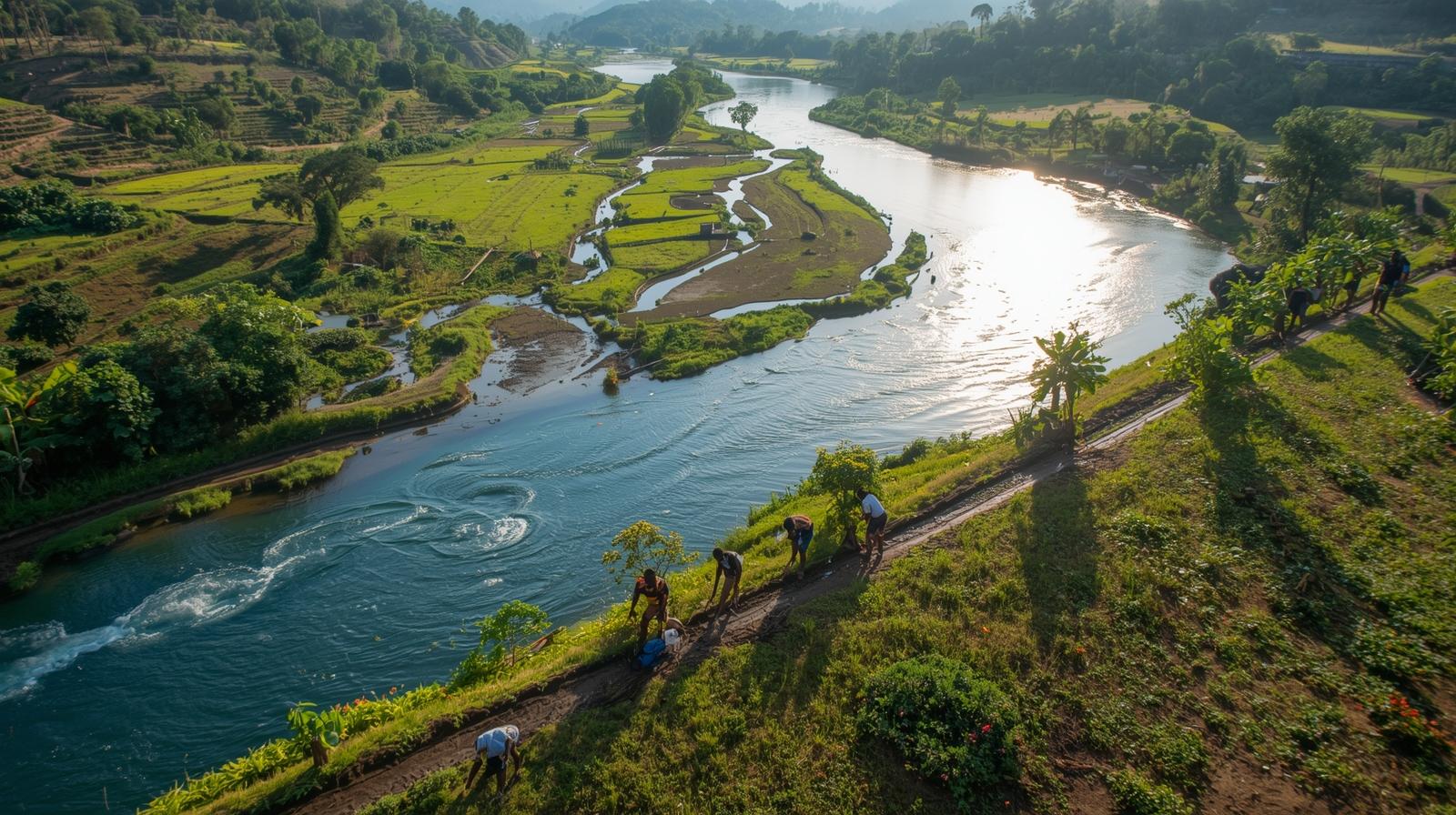
Growing up in Uganda, I often viewed water as something we could control. The community built wells and dams, and the government implemented piped water systems, and that’s it. But living and studying in the Netherlands changed everything. In a country where almost 50% of the land lies below sea level, water isn’t fought; it’s invited, guided, and respected.
Adapting to a Watery Environment: The Dutch Way
In several Dutch cities, water remains visible and unhidden beneath the surface; it is an omnipresent feature of the urban landscape. The country has effectively adapted to live in harmony with its aquatic environment. Dutch water management boasts extensive historical roots, influenced by military expertise and the collaboration of skilled craftsmen and engineers united in their efforts against a common adversary: water.
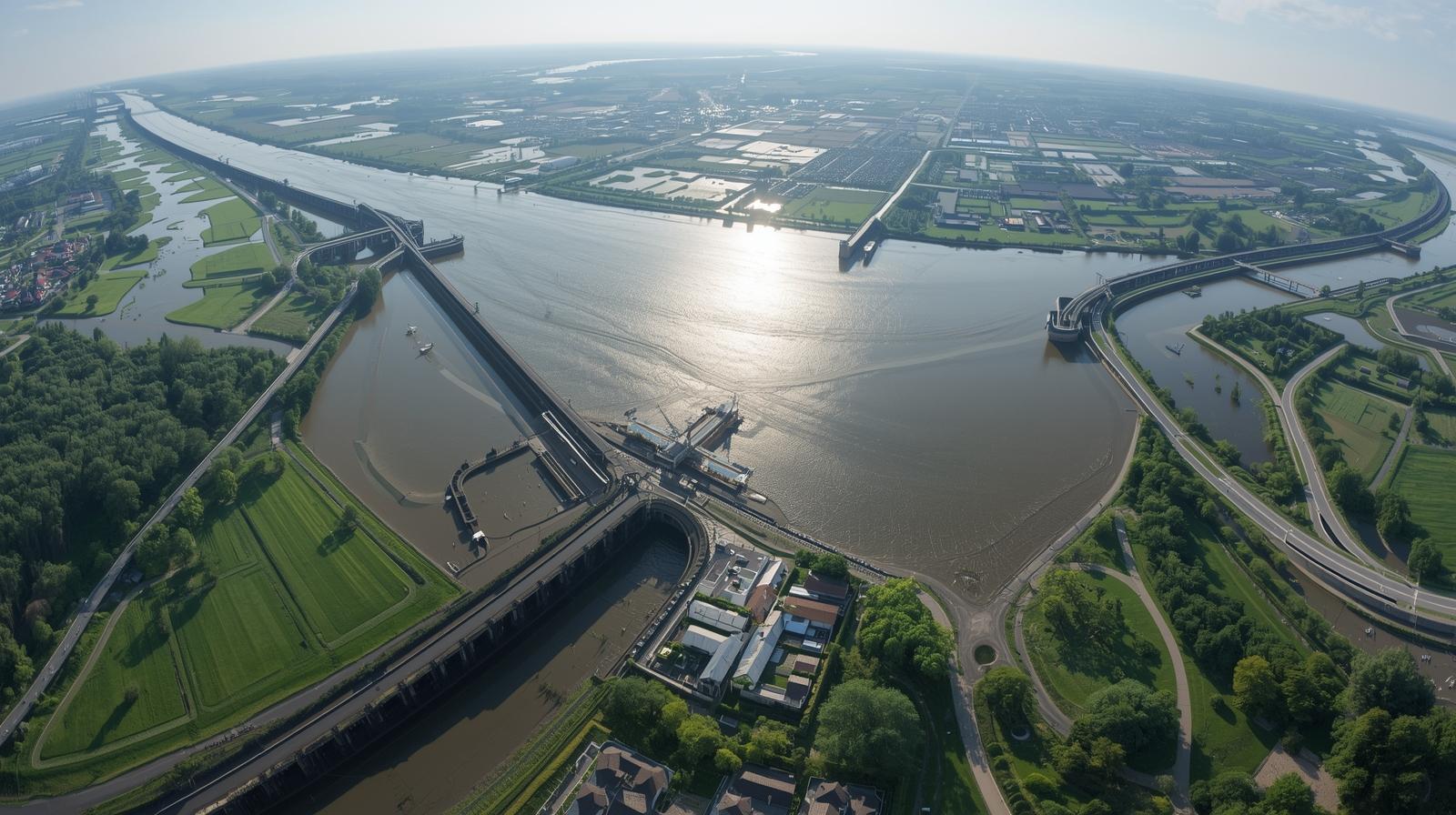
In recent years, highly trained engineering professionals have pioneered innovations and technologies that have significantly shaped the Netherlands’ water-related policies, such as the Dutch Delta Approach (DDA). These initiatives aim to maintain the country’s dryness while providing a reliable supply of clean, potable water for its residents. Notably, dikes and even floating homes are now integral components of the contemporary landscape. These structures are not mere remnants of historical practices but rather innovative solutions engineered to adapt to rising sea levels and the evolving climate conditions.
One concept that truly captured my interest is “Room for the River.” Instead of restricting rivers to narrow channels, the Dutch have created additional space for them by establishing overflow zones, expanding floodplains, and even relocating communities to accommodate the water. This methodology signifies a paradigm shift from attempting to dominate nature to seeking harmony with it.
The Dutch approach demonstrates that infrastructure alone is inadequate; there is a need for adaptive thinking. As climate change intensifies, our water governance must evolve to become more flexible, collaborative, and centered on people. This involves not only engineering but also ethics, equity, and creativity.
Rooted in expertise in water governance, management, and international relations, water-related challenges—including water quality, scarcity, infrastructure deficiencies, climate change, and cross-border river disputes—are regarded not merely as technical problems but as intrinsically human concerns. My experiences living and studying in the Netherlands have profoundly shaped my understanding that water governance transcends infrastructure maintenance; it involves the creation of resilient and inclusive futures.
The crucial question we should ask is: Are we living with water or merely surviving it?
Leave a Reply